

On 18-23 September 2026, students from China and Russia came together in Shenzhen for the China-Russia Youth AI and Future Skills Exchange Programme, an initiative focused on technology, education, intercultural dialogue and the development of future-ready skills.
Developed in the context of the China-Russia Years of Education 2026-2027, the programme brought together secondary school students and educators from school 57 in Moscow, school students from China, AI and programming mentors, and partner representatives for a week of AI learning, project collaboration, technological visits, and intercultural exchange.
This programme was organized by UNESCO Institute for Information Technologies in Education (UNESCO IITE), hosted by the Kunpeng Youth Academy, Futian District, Shenzhen, and supported technically by Shenzhen Dianmao Technology Co., Ltd. (CODEMAO), bringing together international expertise in digital education, innovation, and capacity building for educational institutions.
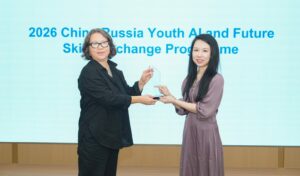
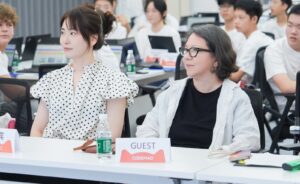
Learning through technology and collaboration
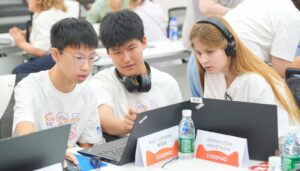
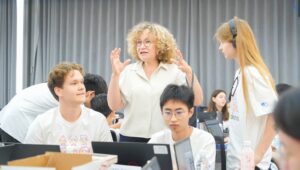
The central part of the programme was hands-on learning. Rather than focusing only on theoretical knowledge, students had opportunities to explore how artificial intelligence, programming and robotics can be used to develop practical solutions and creative projects.
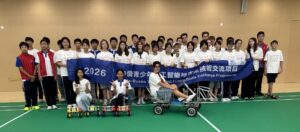
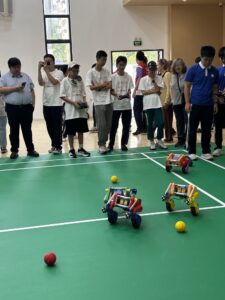
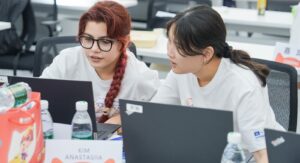
Working in an international environment, students presented their ideas, discussed possible solutions and explored technology together. One of the programme activities focused on robotics, where students worked with programmable robotic vehicles and tested their ability to complete tasks on a specially designed field. Such activities encouraged participants to combine technical knowledge with teamwork, experimentation and problem-solving.
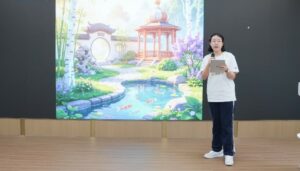
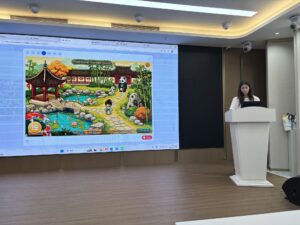
The programme also gave students an opportunity to present their own work. During one of the sessions, students presented a creative project using an AI-generated visual environment that brought together elements of Chinese and Russian cultural landscapes. The project demonstrated how AI can be used not only as a technical tool, but also as a medium for creative expression and cultural dialogue.





Exploring Shenzhen’s technology ecosystem
The programme also introduced students both from Russia and China dynamic technology and innovation environment. A visit to CODEMAO provided an opportunity to learn more about the company’s approach to coding education and technology for young learners.
For the students, such visits offered a perspective beyond the classroom: they could see how ideas related to programming, artificial intelligence and robotics are connected with real-world technologies and educational practices. The programme also included interaction with Chinese students and educators, allowing participants to learn about science and technology education in Shenzhen and to exchange experiences of studying, creating and working with digital technologies.
Technology as a bridge between cultures
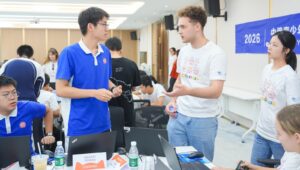
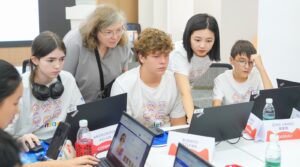
An important element of the programme was the opportunity for students from China and Russia to communicate and work together. Shared activities created a space where technology became a common language, helping young people overcome cultural and linguistic differences through practical collaboration.
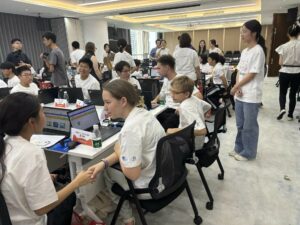
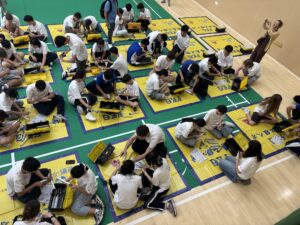
The programme connected technological exploration with cultural exchange. Students had opportunities to discover aspects of each other’s cultures while working together on creative and technology-oriented activities. This combination of learning, experimentation and communication helped make the exchange more than a traditional study visit.
Preparing young people for the future
The China-Russia Youth AI and Future Skills Exchange Programme reflects the growing importance of preparing young people not only to use digital technologies, but also to understand, create with and critically engage with them.
AI, programming and robotics are rapidly changing the ways people learn and work. Providing young people with opportunities to experiment with these technologies in an international environment can help develop a broader set of competencies including creativity, computational thinking, problem-solving, communication and collaboration.
Through initiatives such as this exchange, UNESCO IITE and its partners contribute to creating opportunities for young people to learn across borders, explore emerging technologies and build connections with their peers.
The experience in Shenzhen demonstrated the value of combining technology education with international exchange: students were not simply learning about future technologies, but using them as a basis for creativity, collaboration and dialogue.