Combating COVID-19: Updates

Education is the bedrock of a just society in the post-COVID world

18 June 2020

The COVID-19 pandemic has brought unprecedented educational disruption with 1.2 billion students and youth across the planet affected by school closures. It has raised fundamental concerns about a potential erosion of human rights now and post-crisis. Education is a key ally in defending rights and protecting the rule of law and is an essential life skill in crises. (UNESCO)

Key Messages and Actions for COVID-19 Prevention and Control in Schools

17 June 2020

World Health Organization (WHO), United Nations International Children’s Emergency Fund (UNICEF) and the International Federation of Red Cross and Red Crescent Societies (IFRC) have developed the guidance for protecting children and supporting the safe school operation “Key Messages and Actions for COVID-19 Prevention and Control in Schools”. The purpose of this document is to provide clear and actionable guidance for safe operations through the prevention, early detection and control of COVID-19 in schools and other educational facilities. To read and download the guidance please use this link.

World Health Organization (WHO) released Considerations for school-related public health measures in the context of COVID-19

17 June 2020

In response to COVID-19, countries around the world have implemented several public health and social measures (PHSM), such as movement restrictions, closure of schools and businesses. As the local epidemiology of the disease changes, countries will adjust these measures according to the intensity of transmission. WHO has issued guidance on adjusting PHSM while managing the risk of resurgence of cases.

Learning through radio and television in the time of COVID-19

11 June 2020

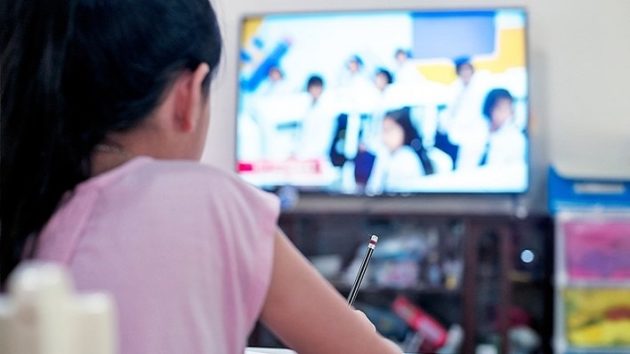
Some 826 million students kept out of classrooms by the pandemic do not have access to a computer at home, according to a recent study by the UNESCO Institute of Statistics (UIS) and the Teacher Task Force. Many countries had to quickly find effective solutions and television and radio have proven to be a good alternative in a context where online learning is not possible. UNESCO and the European Broadcasting Union (EBU) organised a virtual workshop on 27 May inviting representative from national broadcasters to discuss the lessons learned on the use of radio and television-based distance learning. (UNESCO)

Including learners with disabilities in COVID-19 education responses

10 June 2020

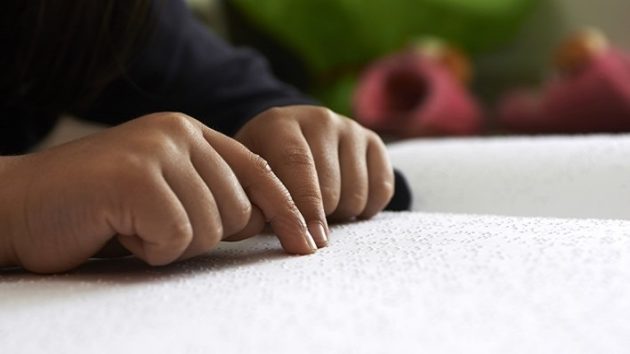
UNESCO joined its partners in the Global Action on Disability (GLAD) Network to put in place strategies and measures to mitigate the impact of school closures on learners with disabilities. The COVID-19 pandemic is having a disproportionate impact on learners with disabilities who were already experiencing social and educational disadvantage. (UNESCO)

Effective leadership in crisis: What it takes for ministries of education?

5 June 2020

Good government leadership is paramount during any crisis. To protect education for all, ministries of education must take on a strong leadership role. But, what makes – or breaks – effective leadership during crisis? How can those at the helm of an education system galvanize its staff and communities, and make important links with other line ministries? These questions are discussed in the article. (UNESCO IIEP)

Global Education Coalition facilitates free internet access for distance education

4 June 2020

Major mobile telephone operators that are part of UNESCO’s Global Education Coalition have stepped up efforts to improve connectivity by providing free access to online educational content for students in all regions of the world affected by Covid-19 induced school closures. To take stock of lessons learned in recent months and explore solutions to bridge digital divides, UNESCO organized a webinar on connectivity on 22 May, which brought together partners from the Coalition and beyond. (UNESCO)

UNESCO Member States Group was made to boost global citizenship education post COVID-19

3 June 2020

A new group made up of UNESCO Member States and focused on exchanging experiences and finding ways to counter hate and discrimination in the post COVID-19 period, has held its first virtual meeting. The questions of how to reinforce international solidarity through the promotion of Global Citizenship Education (GCED) and how to effectively respond to the rise in incidents of hatred, discrimination and stigmatization amplified by the pandemic, were discussed at the meeting. (UNESCO)

Rebuilding a ‘new normal’ for girls’ education amid COVID-19

2 June 2020

An intergenerational dialogue between young women activists and the CEO of Plan International was held on 21 May to discuss the vision for a ‘new normal’ for girls’ education where gender equality and inclusion are central to education systems. Organized by the United Nations Girls’ Education Initiative (UNGEI) – partner of the Gender Flagship, this is part of a series of dialogues facilitating the inclusion of youth voices in COVID-19 educational responses. (UNESCO)

Safe to learn during COVID-19: New recommendations released

1 June 2020

Responding to the heightened need to protect children and young people during COVID-19, UNESCO, as part of the Safe to Learn coalition, has issued a suite of support materials for governments and other stakeholders. This includes a technical note on COVID-19 and its implications for protecting children online, guidance for education ministries as they support schools to provide safe online learning experiences, and a set of recommendations for governments to help prevent and respond to violence against children in different learning environments, including at home. (UNESCO)

Six key messages on the protection of the right to education of people in situations of mobility in the context of COVID-19

29 May 2020

The Education and Human Mobility Working Group and the Regional Office of Education for Latin America and the Caribbean (OREALC/UNESCO Santiago) call on the countries of the region to not forget the spirit of the 2030 Agenda: “leaving no one behind”. The Working Group brings together technical teams dedicated to human mobility issues from the Ministries of Education of Argentina, Chile, Colombia, Ecuador, Guatemala and Peru to provide key messages to guarantee the right to education for people on the move in this region. (UNESCO)