Combating COVID-19: Updates

UNESCO and UNHCR call for the inclusion of refugees in the post-COVID-19 education effort

15 July 2020

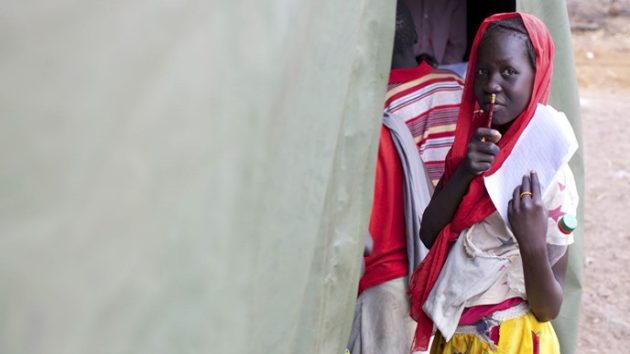
UNESCO has warned the pandemic risked jeopardizing the progress made in education in recent years, especially for young girls. UNHCR estimates at least 20% of whom are at risk of not resuming their studies interrupted during school closures. However, a number of governments are planning to include refugees in post-pandemic response measures, such as distance education, in line with their commitments under the Global Compact on Refugees. (UNESCO)


COVID-19 threatens to set aid to education back by six years, warns UNESCO

14 July 2020

A new policy paper by UNESCO’s Global Education Monitoring (GEM) Report shows that total aid to education reached its highest ever levels in 2018, the latest available year. However, it estimates that global aid is likely to decline from 2018 to 2022 as a result of recession caused by COVID-19. “Just as aid to education seemed to have recovered its lost momentum, the COVID-19 pandemic threatens to take us back several years,” cautions UNESCO Director-General Audrey Azoulay. (UNESCO)

UNESCO and Council of Europe launch survey

13 July 2020

Teachers from secondary schools in Europe, Middle East and North Africa are invited to take part in a survey launched by UNESCO and the Council of Europe to understand better how student participation or ‘student voice,’ which can range from simple self-expression to taking on a lead role in aspects of school life, has been affected. (UNESCO)

COVID-19: What you need to know about refugees’ education

9 July 2020

Despite a relative easing of COVID-19 school closures and an increasing trend towards reopening, over one billion learners globally remain affected by school closures. Disruption to education on this scale is unprecedented. COVID-19 impact, including in education, is harshest for groups that are already in vulnerable situations such as refugees. (UNESCO)

Youth, strategic partners during the COVID-19 crisis

8 July 2020

In light of the COVID-19 context, youth have emerged as leading agents of communities’ responses worldwide. In fact, since the onset of the crisis youth did not act as mere spectators and disempowered citizens but on the contrary, they reacted as front-line responders, tackling the spread of the virus and mitigating the many consequences of the pandemic. (UNESCO)

Towards resilient education systems for the future – A new joint study launched by UNESCO and IEA

7 July 2020

The International Association for the Evaluation of Educational Achievement (IEA) and UNESCO are launching a study, in partnership with the European Commission, to draw a more comprehensive picture of COVID-19’s impact on global education, entitled “Responses to Educational Disruption Survey (REDS)”. REDS is part of the collective effort under the Global Education Coalition launched by UNESCO that seeks to facilitate inclusive learning opportunities for children and youth in the context of educational disruption and to establish approaches to develop more open and resilient education systems for the future. (UNESCO)

UNESCO addresses G20 education ministers’ meeting

6 July 2020

Education Ministers from G20 countries committed to work collaboratively to address widespread disruptions in education and ensure learning continuity for all, especially the most vulnerable, during a special virtual meeting organized by the Kingdom of Saudi Arabia, chair of the G20, on 27 June 2020. (UNESCO)

Tips for Parents: Integrating SEL into Remote Learning

3 July 2020

With schools closed for the foreseeable future due to COVID-19, parents have the starring role in their children’s formal education — supporting their learning, managing their “classroom” behaviors, and keeping them physically active. It is important that we also think about how to best integrate social and emotional learning (SEL) into their education. (Education Development Center)


Adapting approaches to deliver quality education in response to COVID-19

2 July 2020

COVID-19 has altered every aspect of our lives, introducing abrupt changes to the way governments, businesses, and communities operate. The pandemic has impacted education systems around the world. The crisis offers an important reflection point for education leaders to question the status quo and explore new approaches for delivering quality education to millions of children. The question of how the global education community can use this moment as an opportunity to meet the demands of the future is discussed in the article. (Brookings)